
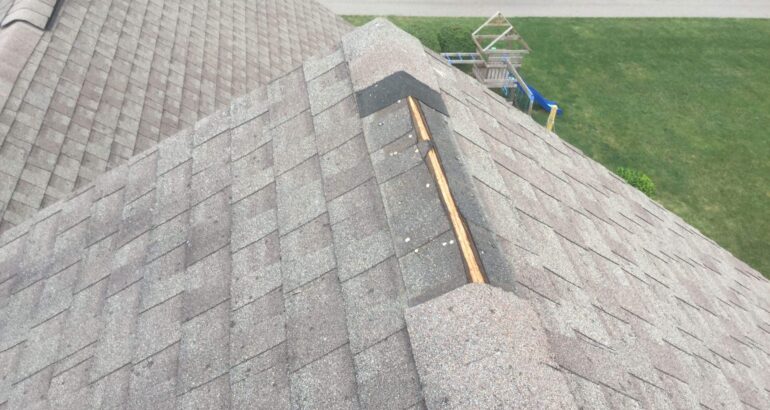
As the cold winter evades us and temperatures begin to rise, spring is the perfect time to inspect your home’s roof and exterior. Months of snow, ice, wind, and freezing temperatures can quietly cause damage that may not be obvious from the ground and can go unforeseen. A professional spring inspection can help catch minor problems early — before they turn into expensive repairs.
The National Roofing Contractors Association (NRCA) recommends having your roof inspected twice a year, we at Revive Roofing recommend once in the spring and once in the fall.
Some examples of why inspections are so important.
1. Winter Ice Can Damage Shingles
Ice and snow buildup can be especially tough on roofing materials. During freeze-thaw cycles, water can seep beneath shingles, refreeze, and expand. This process can:
- Lift or loosen shingles
- Cause cracking or splitting
- Break the seal on asphalt shingles
- Lead to hidden moisture intrusion
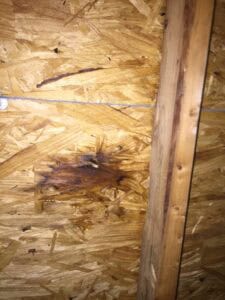
Even minor shingle damage can expose your roof deck to water infiltration during spring showers. Catching these problems early can prevent leaks, mold growth, and structural damage.
2. Clogged Gutters Can Lead to Bigger Drainage Problems
Gutters play a critical role in directing water away from your home. Over the winter, gutters often collect:
- Leaves and debris
- Ice buildup
- Roofing granules
- Twigs and shingle fragments
When gutters are clogged, water can overflow and pool around your foundation, which can lead to water in your basement. But it doesn’t stop there.
Excess water runoff can overwhelm and clog ground drains and underground drainage systems. Once ground drains become blocked:
- Water may back up toward the foundation
- Basements or crawl spaces may flood
- Soil erosion can occur around the home
- Foundation damage becomes more likely
A spring inspection ensures gutters and downspouts are clear and functioning properly, protecting both your roof and your home’s foundation.
3. Caulking & Sealants Are Maintenance Items
Many exterior areas of your home rely on proper caulking to stay watertight, including:
- Around chimneys
- Vent pipes
- Skylights
- Windows and doors
- Siding transitions
Caulking naturally expands and contracts with temperature changes. After a harsh winter, it can crack, shrink, or pull away from surfaces.
Because caulking is a maintenance item, it should be checked regularly and replaced as needed. Failed sealants are one of the most common (and preventable) causes of water intrusion.
4. Small Problems Become Expensive Repairs
One of the biggest benefits of a spring inspection is prevention. What starts as:
- A loose shingle
- A minor flashing issue
- A small gutter blockage
Can quickly turn into:
- Interior ceiling stains
- Structural wood rot
- Mold issues
- Foundation damage
Routine inspections allow homeowners to address small, affordable fixes before they become major restoration projects.

Why Two Inspections a Year Matter
The NRCA recommends roof inspections twice per year for good reason. Your roof and exterior are constantly exposed to the elements. Regular inspections:
- Extend roof lifespan
- Protect home value
- Prevent costly emergency repairs
- Provide peace of mind
Spring is especially important because it reveals the hidden impact of winter weather.
Final Thoughts
Your roof and exterior system work together to protect everything inside your home. A spring roofing and exterior inspection ensures that winter hasn’t compromised that protection.
From checking for ice-damaged shingles to clearing gutters and inspecting caulking, this seasonal maintenance step can save thousands in future repairs.
Spring is the season of renewal — and your home deserves the same attention.