
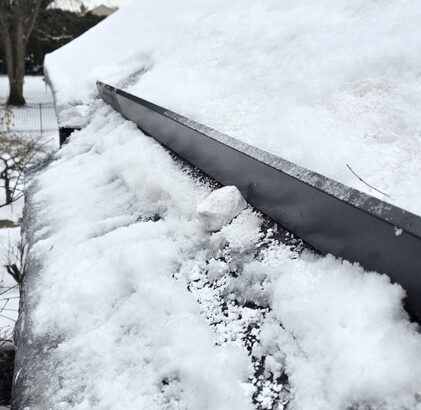
Ice damming is one of the most common—and most misunderstood—winter roofing issues in cold climates. Homeowners often assume that ice dams are caused by a “bad roof,” but in reality, ice damming is a natural phenomenon driven by snow, temperature differences, and the way a home was designed and built.
Understanding why ice dams form, and what helps prevent them, can save homeowners a lot of frustration—and potentially expensive repairs.
What Is Ice Damming?
An ice dam forms when snow on a roof melts, flows downward, and then refreezes near the colder eaves. Over time, this frozen ridge of ice builds up, trapping water behind it. That trapped water has nowhere to go and can work its way under shingles, leading to leaks, interior water damage, and even mold growth.
The key thing to understand is this: ice dams don’t form simply because it’s cold. They form because different parts of the roof are at different temperatures.
Why Ice Dams Are Often About Construction, Not Just the Roof
While products like heat cables and snow removal tools can help manage ice dams, the root cause often lies in how the house was constructed.
Certain roof designs are more prone to ice damming, including:
- Low-slope roofs that transition into steep slopes
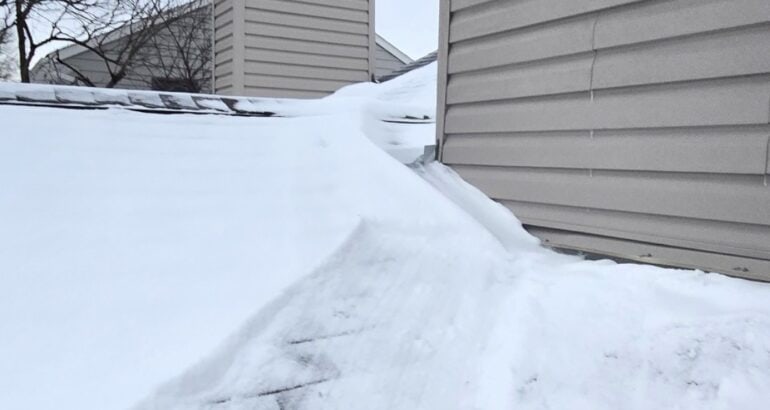
These transitions slow down melting snow and encourage refreezing. - Dead valleys or roof intersections
Areas where two roof planes meet can collect and hold snow and ice, making them prime locations for ice buildup. - Complex rooflines
Dormers, bump-outs, and architectural features can interrupt natural drainage and airflow.
These design elements aren’t “wrong,” but they do require proper insulation, ventilation, and detailing to perform well in winter conditions.
The Role of Attic Ventilation
One of the most critical factors in preventing ice damming is attic ventilation.
A properly ventilated attic helps keep the roof surface at a consistent temperature. When warm air from the living space escapes into the attic, it heats the underside of the roof, causing snow to melt unevenly. That meltwater then refreezes at the colder eaves, forming ice dams.
Good attic ventilation works by:
- Allowing cold outside air to enter at the eaves (soffit vents)
- Letting warmer air escape near the peak (ridge or roof vents)
- Maintaining a cold roof deck during winter
When airflow is balanced and unobstructed, it significantly reduces the conditions that cause ice dams.
Insulation and Air Sealing Matter Too
Ventilation alone isn’t enough if warm air is freely leaking into the attic. Poor insulation and air leaks around light fixtures, attic hatches, and ductwork can dramatically increase the risk of ice damming.
A well-designed attic system includes:
- Adequate insulation levels
- Proper air sealing between living space and attic
- Clear ventilation paths from eaves to ridge
Together, these elements help keep heat where it belongs—inside the home.
Do Heat Cables Help?
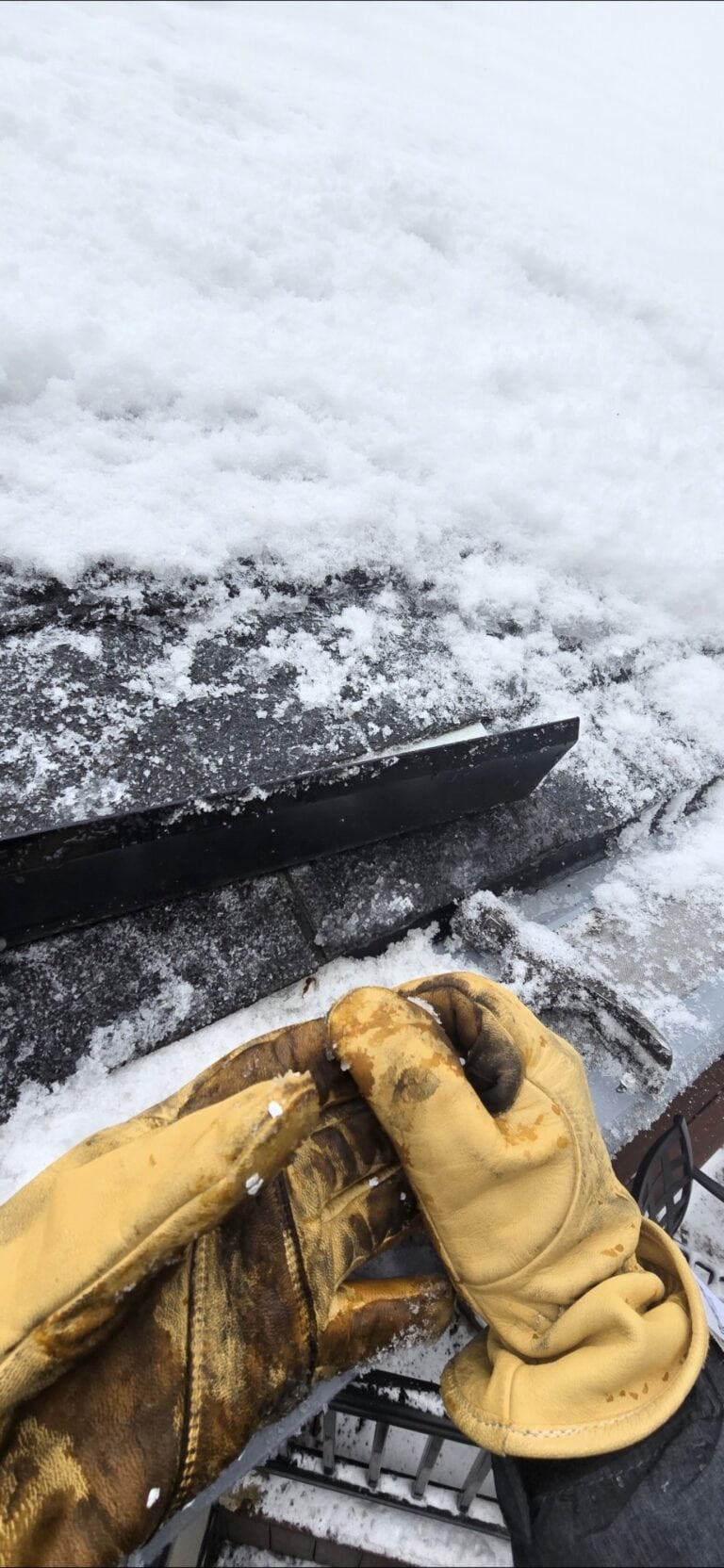
Heat cables (also known as heat tape) can be useful in certain situations, especially in problem areas like valleys or along eaves where ice dams frequently form. They create channels for melting ice to drain safely.
However, heat cables should be viewed as a management tool, not a cure. They don’t fix underlying ventilation or insulation issues and are most effective when used in combination with good attic design.
Ice Dams Are Common—and Preventable
Ice damming is a natural result of winter weather meeting architecture. While no home is completely immune, understanding how roof design, attic ventilation, and insulation work together can greatly reduce the risk.
If ice dams are a recurring issue, the best long-term solution is often a professional evaluation of the attic and roof system—not just the shingles themselves. Addressing the root causes leads to better performance, fewer repairs, and a more comfortable home all winter long.